
You’ve decided to get a dental implant in Lansing, MI. You’re excited to replace that missing tooth and get your smile back. Then your dentist says something that stops you cold: “You might need a bone graft.”
Those three words can sound intimidating. They can make you picture surgery, pain, and a long recovery. You might even wonder if implants are still worth it.
Here’s the truth. Bone grafting is a common, routine procedure. It’s not scary. It’s not as painful as you might think. And in many cases, it’s the step that makes dental implants possible.
At Cavanaugh Dental in Lansing, MI, Dr. Daniel Derksen, Dr. John McRee, and Dr. Sheridan Kelley help patients understand bone grafting and why it’s often necessary. This guide explains what bone grafting is, why it’s needed, and what to expect.
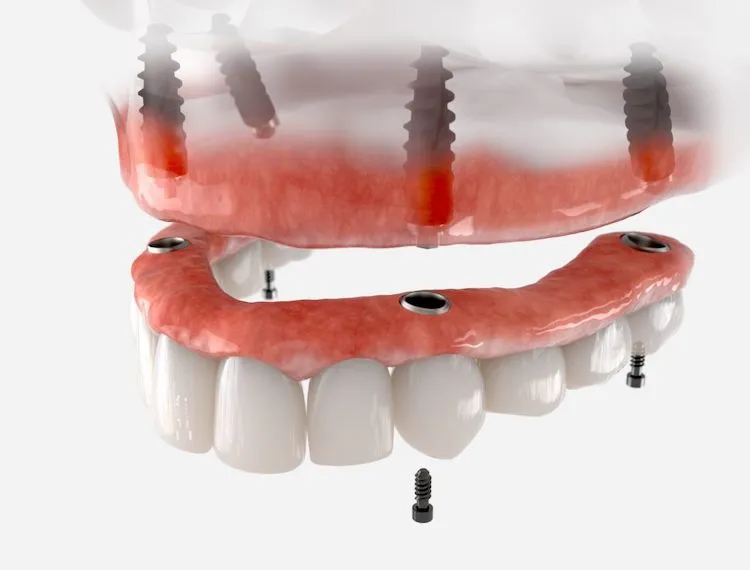
What Is Bone Grafting?
Bone grafting adds bone material to your jaw to rebuild areas that have lost volume. Think of it like adding soil to a garden bed that’s become shallow. The goal is to create a solid foundation for a dental implant.
The bone material used in a graft can come from several sources:
- Autograft: Bone taken from another part of your own body, often the chin or hip.
- Allograft: Bone from a donor, usually a tissue bank.
- Xenograft: Bone from another species, typically bovine (cow).
- Synthetic graft: Lab-made materials that mimic the structure of natural bone.
Each type has its advantages. Dr. Derksen will recommend the best option for your situation.
Why Would You Need a Bone Graft?
Bone grafting is often necessary because bone loss can happen after you lose a tooth. Here’s why that occurs.
Bone Loss After Tooth Loss
Your jawbone needs stimulation from tooth roots to stay strong and dense. When you chew, the forces travel through the tooth root into the bone. That stimulation tells your body to maintain the bone.
When you lose a tooth, that stimulation stops. Without it, the bone begins to resorb, or shrink. You can lose up to 25% of the bone in the first year after tooth loss. And the loss continues over time.
The Impact of Bone Loss
If you’ve been missing a tooth for a while, you may not have enough bone to support an implant. The implant needs healthy, dense bone to integrate properly. Without it, the implant may fail.
Bone loss can also cause other problems. It can change your facial shape, making it look sunken or aged. It can affect your bite and make chewing difficult. It can also make it harder to place other restorations, like bridges or dentures.
When Bone Grafting Is Recommended
Dr. Derksen may recommend a bone graft in these situations:
- Before implant placement: If you don’t have enough bone to support an implant, a graft can rebuild the area.
- During extraction: Sometimes a graft is placed immediately after tooth extraction to preserve bone for a future implant.
- Around failing implants: If an implant is failing due to infection or bone loss, a graft may rebuild the area.
- For sinus lifts: If you need an implant in the upper back jaw, the sinus cavity may be too close. A sinus lift adds bone in that area.
What to Expect During a Bone Graft
Here’s a step-by-step look at what happens during a bone grafting procedure.
The Consultation
Your journey starts with a consultation at our Lansing dental office. Dr. Derksen will examine your mouth, take X-rays or 3D imaging, and evaluate your bone density. He’ll explain whether you need a bone graft and which type would work best for you.
The Procedure
We usually perform the bone graft procedure in our office under local anesthesia. You’ll be comfortable throughout.
Dr. Derksen will make a small incision in your gum to access the bone. He’ll place the graft material in the area that needs rebuilding. Then he’ll close the incision with sutures.
If the graft is done before an implant, the implant may be placed at the same time, or after the graft heals.
Recovery
Most patients are surprised by how comfortable the recovery is. You may have mild swelling and soreness for a few days, which you can manage with over-the-counter pain medication. You’ll need to eat soft foods for a week or two and avoid strenuous activity.
Dr. Derksen will give you clear aftercare instructions, including how to keep the area clean and what to expect as it heals.
Healing Time
After a bone graft, the grafted material needs time to integrate with your natural bone. This usually takes three to six months. During this time, the new bone forms and creates a solid foundation for your implant.
If you’re wearing a temporary tooth or denture, you can continue wearing it during healing.
Why Bone Grafting Isn’t as Scary as It Sounds
Let’s address the fears head-on:
- “Will it hurt?” The procedure is done with local anesthesia, so you won’t feel pain during the graft. Afterward, mild discomfort is normal and can be managed with over-the-counter medication.
- “Is it risky?” Bone grafting is a routine procedure with a high success rate. Dr. Derksen has advanced training in surgical procedures, including bone grafting. He’ll ensure the graft is placed correctly and monitor your healing.
- “Does it add a lot of time?” Yes, bone grafting adds a few months to your treatment timeline. But it’s an investment that makes the implant possible. Without it, the implant might fail.
- “Is it expensive?” Bone grafting does add to the cost of implant treatment. But it’s often necessary for a successful outcome. We offer financing options to make treatment more affordable.
Why Choose Cavanaugh Dental for Bone Grafting?
At Cavanaugh Dental, we’ve been serving Lansing families for over 30 years. Our team includes dentists with diverse expertise, and we work together to provide comprehensive care.
Dr. Daniel Derksen provides surgical and implant services at our office. He graduated from the University of Michigan Dental School and has advanced training in implant surgery and bone grafting. His expertise means you don’t need a referral to an outside specialist for your graft.
Dr. John McRee and Dr. Sheridan Kelley provide comprehensive general, cosmetic, and restorative care. They work with Dr. Derksen to ensure your treatment plan addresses all your needs.
Our philosophy: We believe in patient-centered, conservative care. We’ll explain your options clearly, answer your questions, and help you make the best decision for your smile.
Don’t Let Fear Hold You Back
Bone grafting is a routine part of implant dentistry. It’s not something to fear. It makes implants possible for patients who might otherwise not be candidates.
If you’ve been told you need a bone graft, or if you’re considering implants and want to know if you’ll need one, contact Cavanaugh Dental in Lansing, MI. We’ll evaluate your situation, explain your options, and help you move forward with confidence.
Call us at (517) 760-6845 or request an appointment online today.